Capture Timeless Moments with Expert Portrait Techniques

Portrait photography is an art that transcends time, capturing the essence of individuals in a single frame. Whether you are a budding photographer or someone looking to improve your skills, understanding the techniques behind stunning portraits can elevate your work. This guide will explore expert portrait techniques that will help you capture timeless moments, ensuring your photographs resonate with emotion and beauty.

Understanding Portrait Photography
Portrait photography focuses on capturing the personality and mood of an individual or group. Unlike other forms of photography, portraits aim to tell a story about the subject, often revealing their character through expressions, poses, and settings.
Types of Portraits
Traditional Portraits: These are posed shots, often taken in a studio with controlled lighting. They focus on the subject's face and upper body.
Environmental Portraits: These portraits place the subject in their natural surroundings, providing context and depth to the image. For example, a musician in their studio or an artist in their workspace.
Candid Portraits: These are unposed and capture spontaneous moments. They often reveal genuine emotions and interactions.
Self-Portraits: A powerful way for photographers to express themselves, self-portraits allow for creative exploration and personal storytelling.
Essential Equipment for Portrait Photography
To capture stunning portraits, having the right equipment is crucial. Here are some essentials:
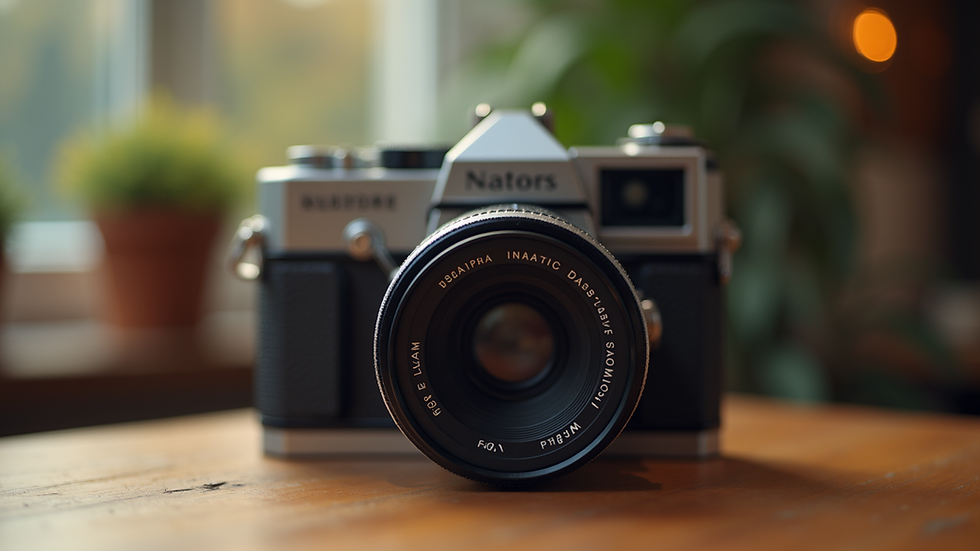
Camera: A DSLR or mirrorless camera is ideal for portrait photography due to their versatility and image quality.
Lenses: A prime lens, such as a 50mm or 85mm, is perfect for portraits as it provides a shallow depth of field, creating a beautiful bokeh effect.
Tripod: While not always necessary, a tripod can help stabilize your camera for sharper images, especially in low light.
Lighting: Natural light is often the best choice for portraits. However, having an external flash or softbox can help control lighting conditions.
Reflectors: These are useful for bouncing light onto your subject, reducing shadows and enhancing features.
Mastering Composition Techniques
Composition is key in portrait photography. Here are some techniques to consider:
Rule of Thirds
The rule of thirds involves dividing your frame into a grid of nine equal parts. Positioning your subject along these lines or at their intersections can create a more balanced and engaging image.
Leading Lines
Use natural lines in your environment to draw the viewer's eye toward your subject. This could be a path, a fence, or even the lines of a building.
Framing
Incorporate elements in your surroundings to frame your subject. This technique adds depth and context, making your portrait more visually appealing.
Depth of Field
A shallow depth of field helps isolate your subject from the background, making them stand out. This can be achieved by using a wide aperture (e.g., f/1.8 or f/2.8).
Lighting Techniques for Stunning Portraits
Lighting can make or break a portrait. Here are some techniques to enhance your lighting skills:
Natural Light
Utilizing natural light can create soft, flattering portraits. The golden hour, shortly after sunrise or before sunset, provides warm, diffused light that enhances skin tones.
Artificial Light
When shooting indoors or in low-light situations, consider using artificial light sources. Softboxes and ring lights can provide even lighting, reducing harsh shadows.
Backlighting
Shooting with the light source behind your subject can create a beautiful halo effect. This technique adds drama and can highlight the subject's features.
Posing Your Subject
Posing is crucial in portrait photography. Here are some tips to help you guide your subjects:
Relaxation
Encourage your subject to relax and be themselves. A tense subject can lead to stiff and unnatural poses. Engage them in conversation to create a comfortable atmosphere.
Angles
Experiment with different angles to find the most flattering perspective. Shooting slightly above eye level can enhance features and create a more engaging portrait.
Body Language
Pay attention to your subject's body language. Encourage them to shift their weight, tilt their head, or use their hands to create a more dynamic pose.
Post-Processing Techniques
Post-processing is an essential step in portrait photography. Here are some techniques to enhance your images:
Color Correction
Adjusting the colors in your portrait can significantly impact the overall mood. Use software like Adobe Lightroom or Photoshop to fine-tune exposure, contrast, and saturation.
Skin Retouching
While it’s important to maintain the subject's natural look, subtle skin retouching can enhance their features. Use tools to smooth skin tones and remove blemishes without overdoing it.
Cropping
Sometimes, a simple crop can transform an image. Focus on the subject and eliminate distractions from the background.
Conclusion
Capturing timeless moments through portrait photography requires a blend of technical skills, creativity, and an understanding of your subject. By mastering composition, lighting, and posing techniques, you can create stunning portraits that resonate with emotion and beauty. Remember, the key to great portrait photography lies in practice and experimentation. So grab your camera, explore different techniques, and start capturing those unforgettable moments.
As you embark on your portrait photography journey, keep these tips in mind, and don’t hesitate to share your work with others. The world is waiting to see the stories you can tell through your lens.

Comments